
Planning & Auditing

Procedures & Rules
Outsourcing Analyses

Procurement Assistance
Our Services
With 25 years of industry experience, TRA offers unparalleled expertise and a comprehensive understanding of the unique challenges faced by our clients. You can count on our dynamic consulting team to provide the technical expertise and logistical capacity to provide practical, customized solutions.


Frequently Asked Questions
O&M consulting helps transit and transportation agencies plan, run, audit, and improve the daily work of moving people and keeping assets in a state of good repair.
Typical engagements include developing operating plans and procedures, auditing rule compliance or roadway worker protection programs, assessing whether services should be operated in-house or outsourced, writing procurement documents for contract operators, and overseeing contractor performance after award. Strong O&M consulting blends engineering, operations, maintenance, and labor-relations experience so that recommendations are practical and achievable.
The goal is always to close the gap between what’s on paper and what actually happens in the complicated real world of rail and bus transit operations.
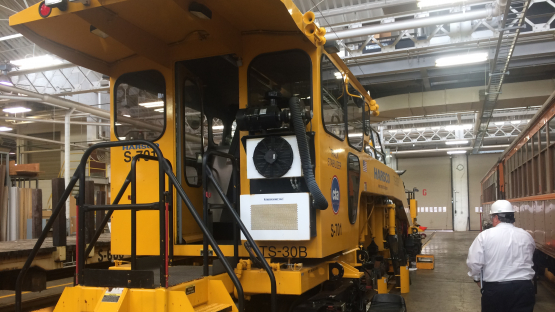
Agencies typically explore outsourcing when they are launching a new mode, facing workforce shortages, confronting rising internal costs, or preparing to expand service faster than they can hire and train staff. An outsourcing analysis compares the full lifecycle cost of operating in-house against contracting with a private operator, factoring in labor agreements, training pipelines, risk allocation, and long-term asset stewardship.
Outsourcing can accelerate startups and shift certain risks, but it also introduces contract-management overhead and requires rigorous oversight. The right answer depends on mode, scale, and agency maturity. In order for an agency to achieve the most efficiency from any outsourcing effort, it must fully understand its detailed roles and responsibilities in establishing a meaningful contract and providing an oversight team that possesses professionals with all of the needed skills to manage the contract operator. SImply put, the decision to outsource may be the right choice, but it requires a careful understanding of what it will entail in order to deliver the results needed by all stakeholders involved – including both the agency and the contractor. Bringing an independent consultant to help weigh the risks and provide a clear work plan on behalf of the transit agency helps to identify and mitigate risks down the road.
A strong O&M RFP clearly defines the scope of services, performance standards, key personnel requirements, transition plans, and how risk is shared between agency and contractor. Most agencies choose between specification-based RFPs, which prescribe exactly how work must be performed, and performance-based RFPs, which set outcomes and let proposers determine the methods. It is important that both the transit agency and bidders understand the full scale and scope of the contract and agency expectations to ensure mutual success for the life of any contract.
The RFP should also spell out reporting requirements, remedies for underperformance, safety and security obligations, insurance, wage rates, and how contract price will be adjusted over time. Clear, well-structured RFPs attract more qualified proposers, produce comparable bids, and reduce disputes once the contract is in place.
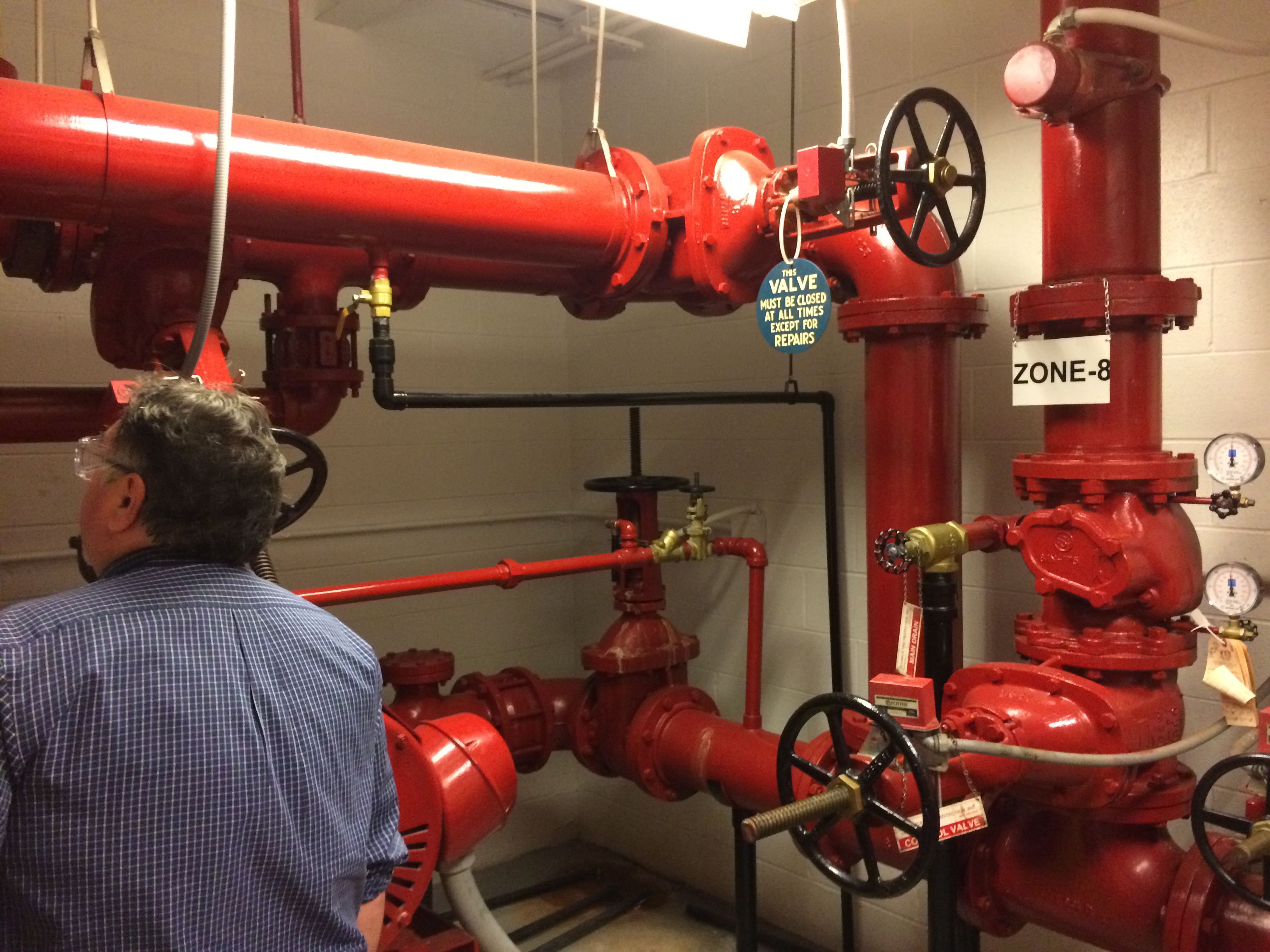
O&M audits examine whether an agency’s operating and maintenance activities match its written procedures, labor agreements, manufacturer recommendations, and regulatory obligations, covering things like run-time performance, inspection intervals, training records, and rule compliance. These audits may focus both on the roles and responsibilities of the transit agency and its contractor.
Safety audits focus more narrowly on hazard identification, risk controls, and SMS implementation under federal safety regulations. In practice, the two overlap: missed maintenance inspections or skipped procedures usually show up as both an O&M finding and a safety risk.
Many agencies combine the scopes to avoid duplication, but keep documentation separate because auditors, oversight agencies, and boards often want to see safety and operational compliance tracked independently.