
TRA’s security specialists are committed to supporting and enhancing the nation’s critical infrastructure sector through tailored consulting services rooted in current best practices. Our individualized, organization focused approach empowers agencies to become more proactive, resilient, and prepared for existing and emerging security threats.
TRA’s mission is to provide your agency with a high-level professional service that focuses on best practices and industry standards. Our security expertise helps organizations deter, detect, and mitigate risks which minimizes the consequences of emergencies and ensures continuity of operations.
The TRA security team is comprised of seasoned executive law enforcement professionals whose extensive operational experience forms the foundation of their security expertise. Central to our strategy is facilitating stakeholder engagement and fostering strong partnerships with public and private sector emergency responders specific to your needs. The relationships developed as a result of collaborative projects are key to improving an agency’s resiliency.
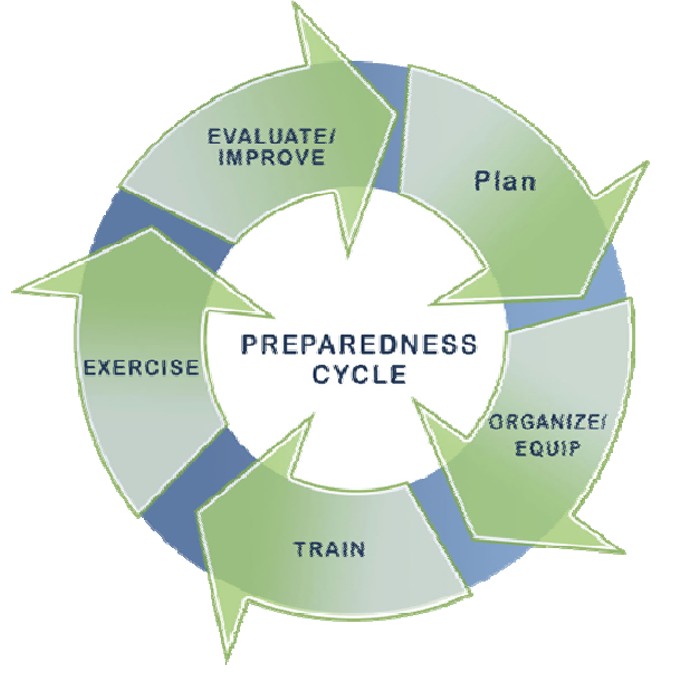
TRA develops emergency preparedness solutions tailor made to the needs of your organization, including the following key areas of specialization:
- Risk and Threat Assessments that evaluate the impact of events including Terrorism, Natural Hazards, Quality of Life Crimes, and Cyber Attacks and Intrusions
- Threat, Risk, and Security Evaluation (TRASE)
- Drill & Exercise programs (Seminars, Workshops, Tabletop, Functional, and Full-Scale Exercises)
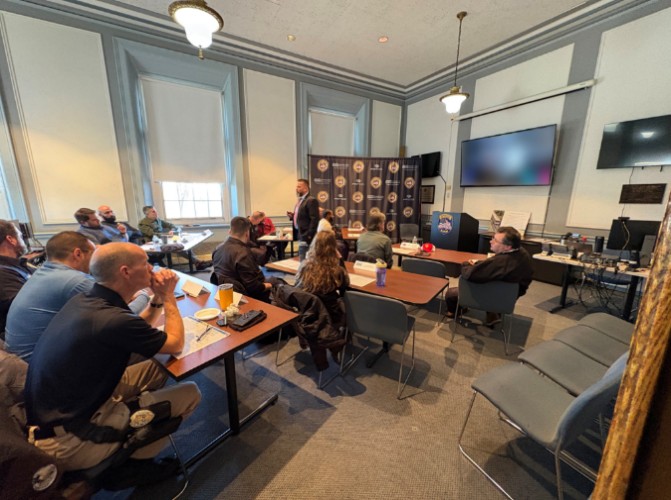
- Customized training design and facilitation
- Emergency plans, policies, and procedures development and review
- Resiliency Planning
- Cybersecurity response and coordination strategies
- Crime Prevention Through Environmental Design (CPTED) planning and assessment
- Emergency Operations Center (EOC) planning, development, and activation protocols
- Incident Management Team (IMT) implementation
TRA recognizes the challenge agencies face to reduce risk while adhering to regulatory standards and requirements. This insight enables TRA to provide a strategic blueprint for integrating security and emergency management enhancements from the onset of the design phase to maximize impact.

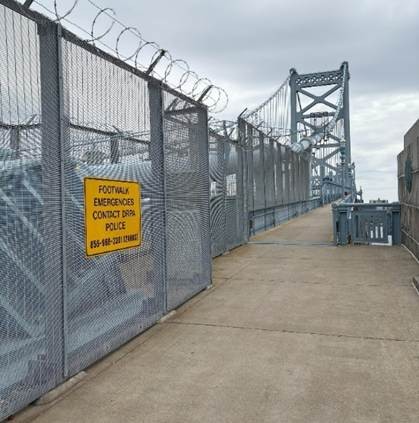
Safer bridges start with stronger partnerships. Sharing critical information with your first responder partners helps protect vital infrastructure before risks become emergencies.
TRA focuses on delivering cutting-edge transportation consulting services that are grounded in their practicality and real-world focus. Leading TRA technical security support services include:
Risk and Threat Assessments
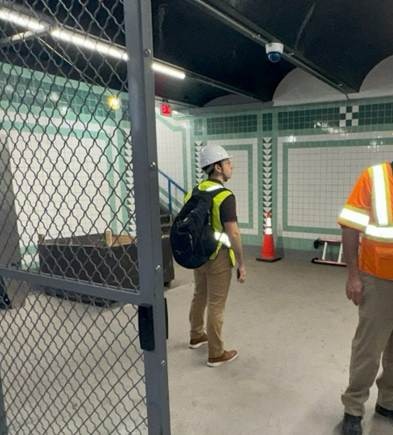
Threat, Risk, and Security Evaluation (TRASE)
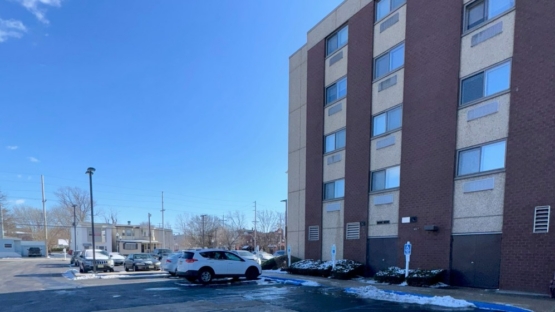
Drills and Exercise Programs
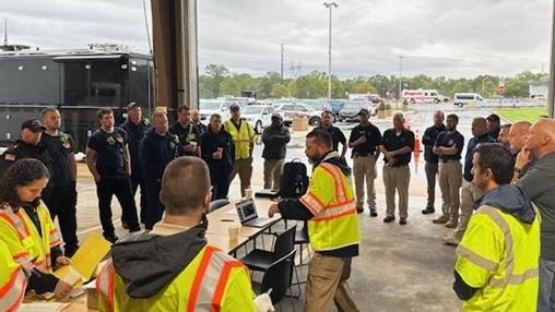
Training
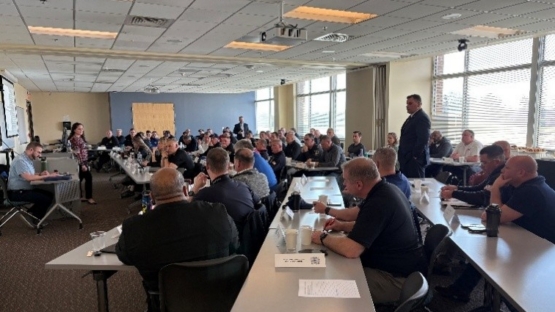
Emergency Plan Development
Resiliency Planning
Cybersecurity Evaluation and Testing
Our Services
With 25 years of industry experience, TRA offers unparalleled expertise and a comprehensive understanding of the unique challenges faced by our clients. You can count on our dynamic consulting team to provide the technical expertise and logistical capacity to provide practical, customized solutions.


Frequently Asked Questions
An SEPP is a consolidated document that combines a transit agency’s security program with its emergency response plan, ensuring that prevention, detection, response, and recovery activities are coordinated under one framework. It typically covers Risk and Threat and Vulnerability Assessments (TVAs), access control, Crime Prevention Through Environmental Design (CPTED), incident command structures, coordination with first responders, and training and exercise schedules. All of these plans are also integrated into the agency’s Emergency Operations Center (EOC) if one exists or shared with a partnering agency’s EOC. Because elements of a SEPP are designated Sensitive Security Information under 49 CFR Parts 15 and 1520, the document has specific handling and marking requirements. A well-maintained SEPP is reviewed annually, exercised regularly, and updated whenever threat intelligence, infrastructure, or leadership changes meaningfully alter the agency’s risk profile.
The Federal Transit Administration’s (FTA) Public Transit Risk Assessment Module (PTRAM), delivered through the U.S. Department of Transportation’s Transportation Safety Institute (TSI), is a training-focused resource that helps public transportation agencies understand and apply safety risk management principles within their safety programs. PTRAM supports the Safety Management System framework by guiding transit professionals through the process of identifying hazards, assessing the likelihood and severity of potential consequences, determining whether existing controls are sufficient, and prioritizing mitigation actions. It aligns with FTA’s Public Transportation Agency Safety Plan requirements, which require agencies to establish methods for hazard identification, safety risk assessment, and safety risk mitigation. In practice, PTRAM helps agencies move from reactive safety responses to a structured, proactive approach for documenting, evaluating, and reducing safety risks across bus, rail, and other public transit operations.
A tabletop exercise is a discussion-based session in which decision-makers walk through a realistic scenario, an active shooter, a flood, a ransomware attack, to test plans, roles, and communication without deploying people or equipment in the field. A Functional Exercise is a live exercise to test and evaluate the capabilities prior to performing a Full Scale exercise which will involve external partners. A Full-Scale drill, by contrast, puts operations staff, first responders, and sometimes volunteer victims into the physical environment to practice the plan in real time. Tabletops are lower-cost, surface policy and coordination gaps quickly, and work well as annual reviews. Functional exercises usually involve the agency staff itself to ensure all capabilities are in place prior to a Full Scale exercise..Full-scale drills validate that tabletops translate to real capability. Most mature agencies run a layered program: seminars, workshops, tabletops, functional exercises, and occasional full-scale events.
An effective transit EOC reflects the agency’s structure and needs, giving the agency a single place where leadership, operations, communications, and liaison staff can support an incident using the Incident Command System. Planning an EOC means defining the structure, staff roles, activation criteria, information flow, and connections to local, state, and federal partners, not just designating a room with technology. Agencies should align EOC procedures with existing Standard Operating Procedures, including how coordination with the Control Center, Customer Service and Video Surveillance support systems is achieved. EOC readiness can be ensured through exercises, and by maintaining redundant communications and backup locations. The best EOC programs are scalable: can be activated quickly for a small incident with just a few staff, and they expand smoothly into a unified command structure when a major event requires multi-agency coordination.